
Impact of New Tariffs on U.S. Markets and Investment Opportunities
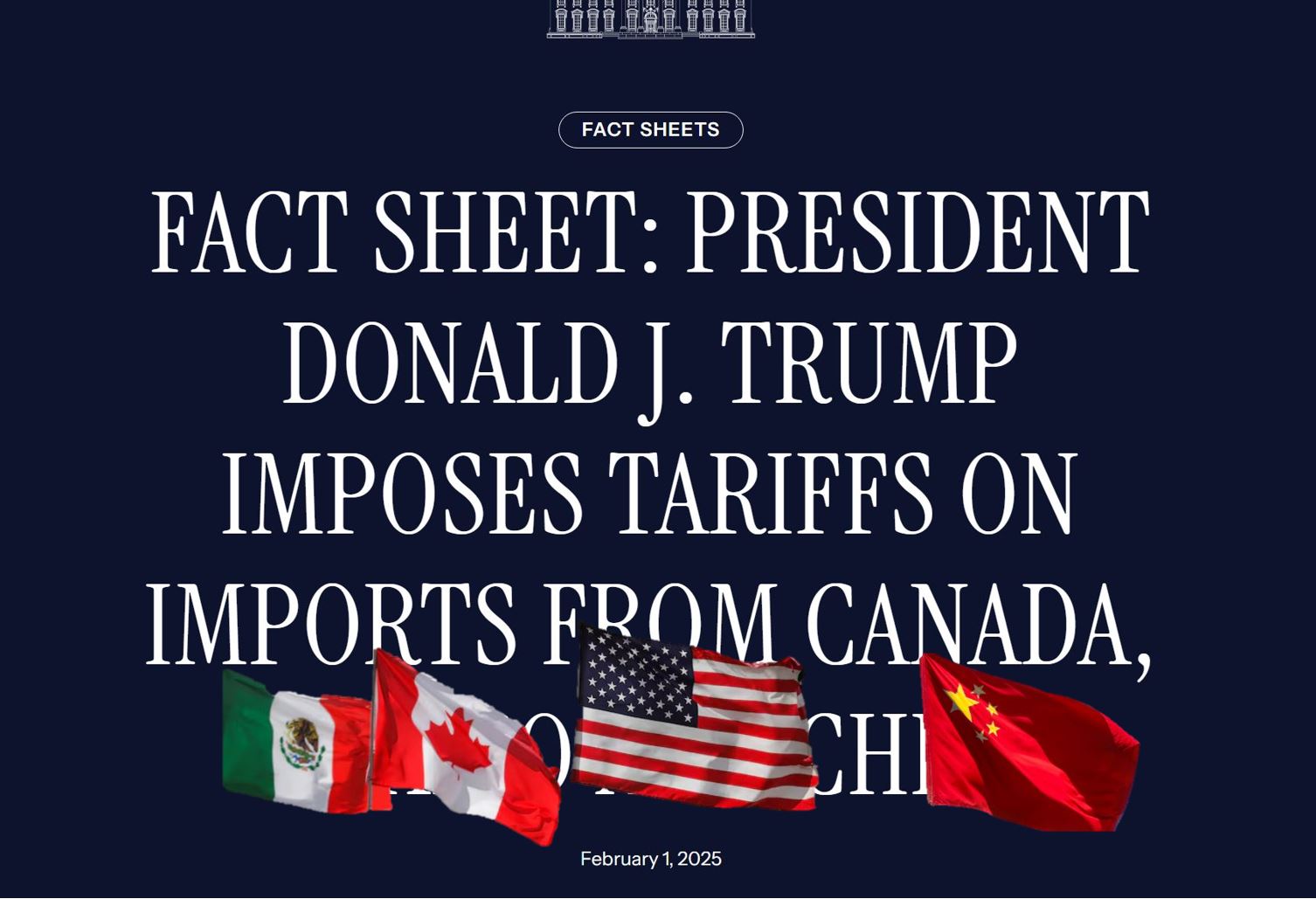
Effective Saturday, February 1, former President Donald Trump will impose 25% tariffs on all products Americans buy from Canada and Mexico and 10% tariffs on all products they buy from China. These tariffs will have widespread implications across various industries, the broader U.S. stock market, and long-term investment opportunities.
Market Reactions and Short-Term Volatility
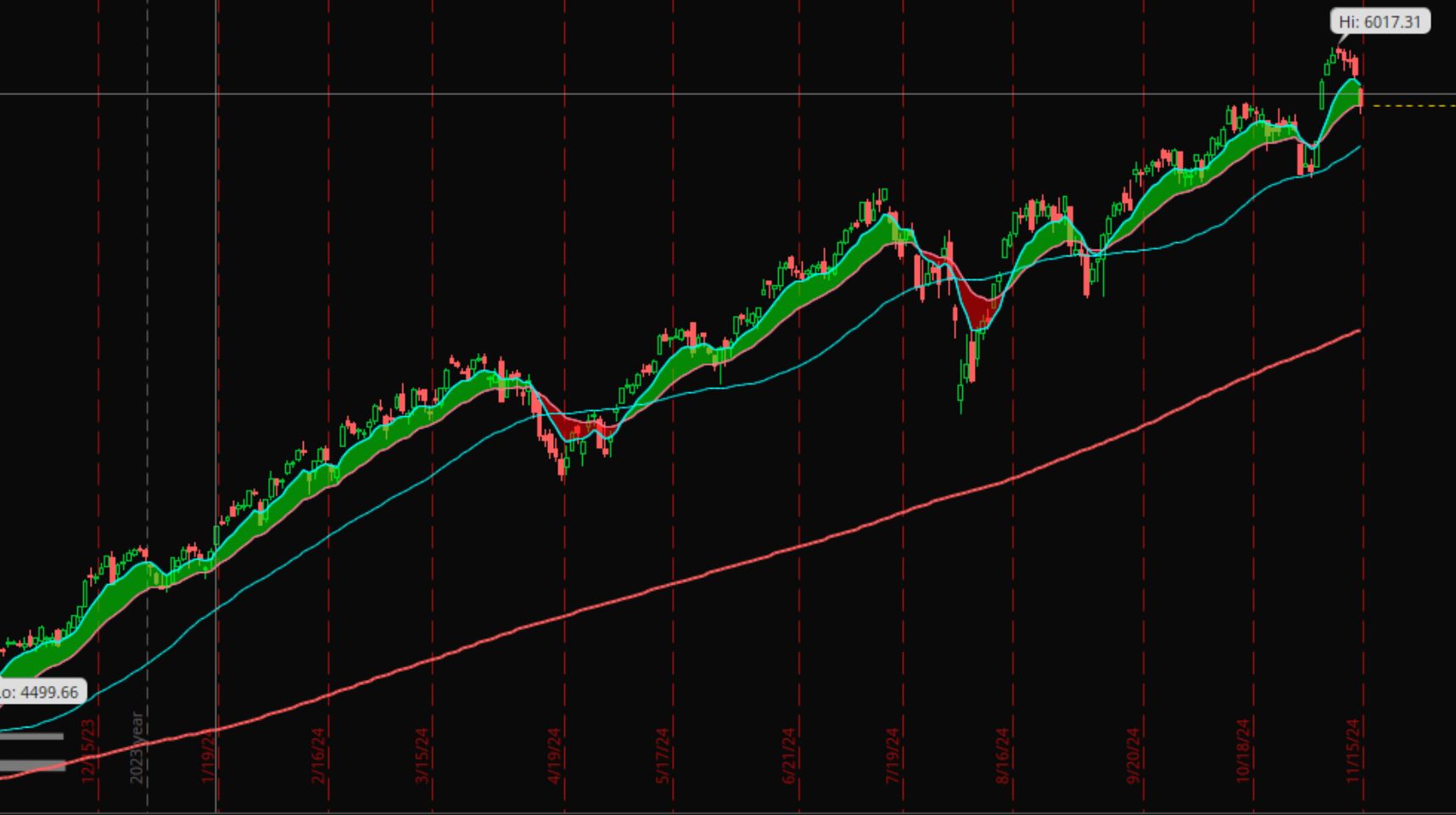
Markets typically react negatively to tariff announcements due to concerns over rising costs, lower corporate earnings, and potential trade retaliation. The key risks include:
- Higher Inflation: Tariffs increase costs for businesses, which could lead to higher consumer prices.
- Lower Corporate Margins: Companies may struggle to absorb higher input costs, reducing profit margins.
- Supply Chain Disruptions: Industries dependent on foreign suppliers will face operational challenges.
- Stock Market Volatility: Investors may shift away from tariff-exposed industries, leading to short-term market instability.
While the S&P 500, Dow Jones, and Nasdaq may see increased volatility, long-term investors can look for opportunities in resilient sectors.
Industries & Stocks Affected by Tariffs
1. Automotive Industry
U.S. automakers rely heavily on integrated supply chains in Canada and Mexico. Higher tariffs will increase production costs and vehicle prices, affecting General Motors (GM), Ford (F), and Stellantis (STLA). Companies that can localize supply chains will have a competitive advantage.
2. Technology & Consumer Electronics
Companies such as Apple (AAPL), Dell (DELL), and HP (HPQ) source components from China, and tariffs will raise manufacturing costs. This could impact pricing strategies and profit margins, making U.S.-based semiconductor firms like NVIDIA (NVDA), AMD (AMD), and Intel (INTC) more attractive.
3. Retail & Consumer Goods
Major retailers like Walmart (WMT), Target (TGT), Home Depot (HD), Dollar General (DG), and Dollar Tree (DLTR) rely on imports from China for clothing, electronics, and home goods. Increased costs may force them to raise prices, potentially impacting consumer demand.
4. Industrial Manufacturing
Machinery and equipment manufacturers that import parts from China and Canada—such as Caterpillar (CAT) and Deere & Co. (DE)—could see rising costs. Companies with strong domestic supply chains may be better positioned to absorb the impact.
5. Apparel Industry
The apparel and footwear industry is highly dependent on Chinese manufacturing. Companies like Nike (NKE), VF Corp (VFC), and Lululemon (LULU) could face increased costs, which may lead to price hikes or margin compression.
6. Food & Beverage
Constellation Brands (STZ) imports significant volumes of beer from Mexico. Higher tariffs could force price increases or shifts in supply chains, affecting profitability.
7. Defense Industry: A Hidden Opportunity
The defense sector is uniquely positioned to benefit rather than suffer from tariffs:
- Higher Costs for Defense Equipment: Companies like Lockheed Martin (LMT), Raytheon Technologies (RTX), Northrop Grumman (NOC), Boeing (BA), and General Dynamics (GD) may see increased production costs, but these expenses are often passed on to the government.
- Government-Backed Demand: Unlike consumer-driven industries, defense contractors operate under multi-year government contracts, making them resilient to economic fluctuations.
- Incentive for Domestic Production: Tariffs could drive more domestic manufacturing, benefiting U.S.-based suppliers of aerospace, cybersecurity, and missile systems.
- Geopolitical Tensions & Rising Defense Budgets: Increasing global instability supports higher defense spending, benefiting firms specializing in military AI, cybersecurity, and missile defense.
Long-Term Investment Opportunities
1. U.S. Manufacturing & Reshoring
Companies bringing production back to the U.S. could thrive. Look at 3M (MMM), Rockwell Automation (ROK), and Honeywell (HON) for industrial automation.
Domestic semiconductor makers like NVIDIA (NVDA), AMD (AMD), Intel (INTC), and Texas Instruments (TXN) could benefit from reduced reliance on Chinese supply chains.
- ETF to Watch: Pacer U.S. Cash Cows 100 ETF (COWZ) – Focuses on U.S. companies with strong free cash flow, benefiting from domestic reshoring.
2. Defense & Aerospace
Government-backed demand makes Lockheed Martin (LMT), Northrop Grumman (NOC), and Raytheon Technologies (RTX) resilient to economic downturns.
AI-driven military intelligence firms like Palantir Technologies (PLTR) and drone-focused defense contractors like Kratos Defense (KTOS) could see increased investment.
- ETF to Watch: SPDR S&P Aerospace & Defense ETF (XAR) – Provides exposure to both established defense firms and innovative military tech companies.
3. Technology & AI Innovation
Tech companies leading in AI, cloud computing, and automation will continue to thrive as businesses look for cost-effective solutions to counteract tariffs.
- Semiconductors: NVIDIA (NVDA), AMD (AMD), Broadcom (AVGO), and Qualcomm (QCOM) will benefit from rising AI demand.
- Cloud & Software: Microsoft (MSFT), Amazon (AMZN), and Google (GOOGL) provide essential cloud infrastructure.
- Automation & Robotics: ABB (ABB), Rockwell Automation (ROK), and UiPath (PATH) will see demand rise.
- ETF to Watch: Global X Robotics & Artificial Intelligence ETF (BOTZ) – Focuses on AI, automation, and robotics companies.
4. Infrastructure & Materials
Companies involved in steel, aluminum, and rare-earth mining could gain from increased domestic production. Look at U.S. Steel (X), Freeport-McMoRan (FCX), and MP Materials (MP).
Howmet Aerospace (HWM) and Teledyne Technologies (TDY) stand to benefit from reshoring efforts.
- ETF to Watch: Global X U.S. Infrastructure Development ETF (PAVE) – Focuses on companies involved in rebuilding U.S. infrastructure.
5. Cybersecurity & AI-Driven Security
As trade tensions increase, so will cybersecurity threats. Companies like CrowdStrike (CRWD), Palo Alto Networks (PANW), and Fortinet (FTNT) are well-positioned.
AI-driven security firms like Palantir (PLTR) and L3Harris Technologies (LHX) will also benefit.
- ETF to Watch: First Trust NASDAQ Cybersecurity ETF (CIBR) – Invests in leading cybersecurity firms.
Conclusion: Navigating the New Market Landscape
The latest tariffs will introduce short-term market volatility, but they also highlight investment opportunities in sectors that stand to gain from domestic production, government-backed spending, and global trade shifts. While industries like automotive, retail, and industrial manufacturing will face headwinds, defense, AI-driven security, domestic manufacturing, and infrastructure will likely emerge stronger.
For long-term investors, focusing on companies with pricing power, strong government contracts, and domestic supply chains will be key to navigating this evolving market landscape.









Leave a Reply