

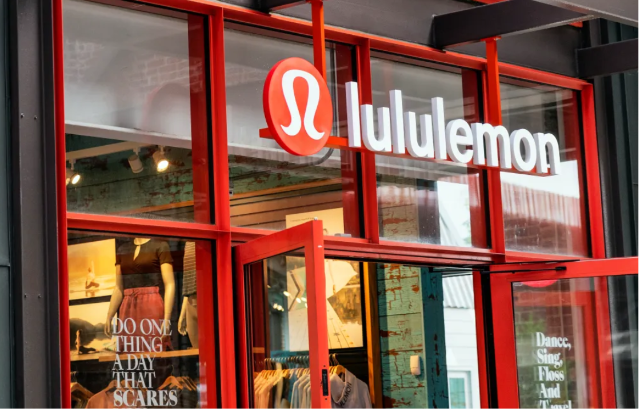
Lululemon is a premium athletic apparel company. It sells yoga, running, training, lifestyle clothing, footwear, and accessories through its own stores, website, and international channels.
This is a brand business. The value comes from customer loyalty, premium pricing, product quality, and a strong lifestyle identity.
Business Quality
Lululemon is still a high-quality company, but the business is going through a difficult period.
The brand has strong recognition, especially in women’s athletic apparel, yoga, and premium activewear. It also has a direct-to-consumer model, which gives the company better control over pricing, customer data, and brand experience.
The long-term opportunity is still there, especially in international markets. China and other international markets are growing much faster than North America.
However, the U.S. business is weak right now. Competition from brands like Alo, Vuori, Nike, Adidas, and many smaller athletic brands is increasing. Lululemon must improve product innovation and rebuild stronger momentum in North America.
Latest Earnings
Lululemon reported fiscal Q1 2026 results on June 4, 2026, for the quarter ended May 3, 2026.
Revenue increased 4% to $2.5 billion, or 2% on a constant-currency basis.
Americas revenue declined 3%, or 4% on a constant-currency basis. International revenue grew 22%, or 16% on a constant-currency basis.
Comparable sales increased 1%, but declined 2% on a constant-currency basis. Americas comparable sales declined 5%, while international comparable sales grew 13%.
Gross profit declined 3% to $1.3 billion. Gross margin fell to 54.2%. Operating income declined 37% to $276.9 million. Diluted EPS was $1.69, down from $2.60 last year.
The quarter was weak. Revenue still grew slightly, but margins and earnings declined sharply. The main issue is North America weakness, slower demand, higher markdowns, tariff pressure, and higher investments.
Management also lowered full-year guidance. For fiscal 2026, Lululemon now expects revenue of $11.0 billion to $11.15 billion, representing a decline of 1% to flat growth. EPS guidance is now $10.95 to $11.15.
Profitability & Balance Sheet
ROE: ~32%
ROIC: ~28%
Debt to EBITDA: 0.67
Lululemon still has a strong balance sheet. The company ended Q1 with about $1.5 billion in cash and no major traditional debt issue.
Even during a difficult period, the company remains profitable, cash-generative, and financially strong. This gives Lululemon room to invest in product innovation, stores, international growth, and buybacks.
Moat Score
Brand Loyalty: 8
Barriers to Entry: 6
Switching Costs: 5
Network Effect: 4
Cost Advantage: 6
Final Moat Score: 5.8 / 10
Moat Rating: No moat to narrow moat
Lululemon has a strong brand, but apparel is a competitive industry. Customers can switch brands easily. The moat depends heavily on brand strength, product quality, and continued customer loyalty.
For our fair value estimate, buy zones, and full investment view, join our private investing group. Members receive the complete analysis, including how we evaluate the company’s risks, current opportunity, and the price levels we consider most attractive.